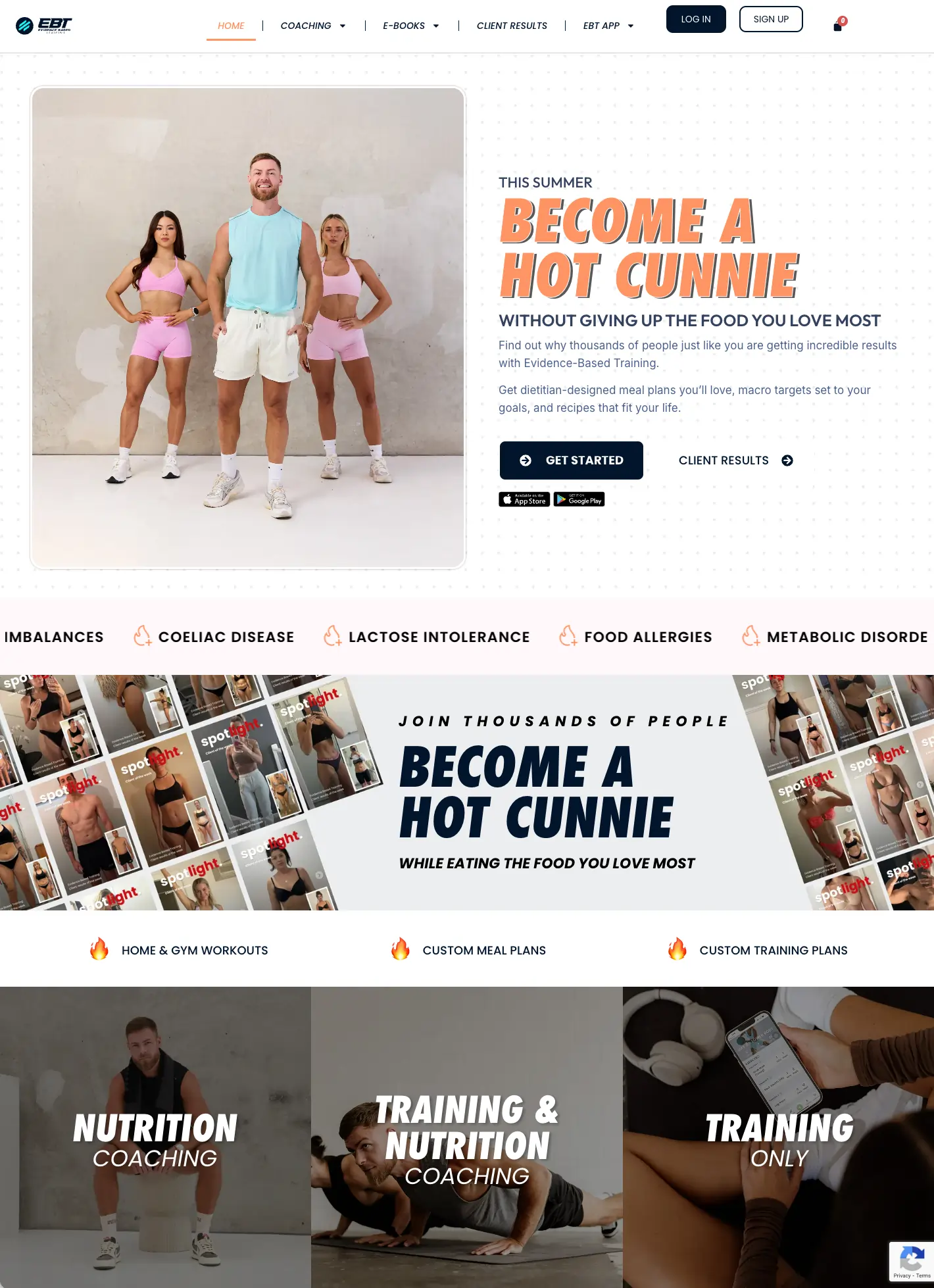
Dynamic Code's published Evidence Based Training case study describes a project spanning positioning, identity, website, campaign landing pages and paid advertising. The interesting lesson is the relationship between those pieces: demand needs a coherent path through to a decision.
What the published case documents
The case identifies misalignment between the brand, website, funnels and advertising as a central challenge. It describes clarifying the positioning, developing the visual identity and building campaign destinations before layering paid creative into the system. These are Dynamic Code team deliverables, not a claim that one person performed every role.
The public case also includes a revenue claim. This article focuses on the documented scope and the operating lesson; it does not independently validate that figure or attribute an isolated uplift to a single change.
Read the work as a sequence
The following is my interpretation of the case, and a review method another business can use. Start with the promise made in an ad. Follow it to the destination, through the explanation of the offer and into the purchase or enquiry step.
At each transition, ask whether the customer is still having the same conversation. A strong ad can create interest that a general homepage fails to serve. A clear page can be undermined by an offer or checkout that introduces unexplained conditions.
Map the review
Create a row for each stage: audience, message, destination, offer, action and follow-up. Record the owner and the evidence needed to assess it. This makes it easier to distinguish a creative problem from a routing problem or a delivery constraint.
Do not optimise each row in isolation. A more provocative ad may improve clicks while attracting people the offer cannot serve. A shorter form may increase submissions while removing information the team needs to respond well.
What to take into the next campaign
Before increasing spend, walk through the full sequence with someone unfamiliar with the business. Ask them to explain the offer and the next step at each point. Then inspect actual customer behaviour for places where the sequence breaks.
The transferable lesson is to make the campaign and its destination answer to the same promise. The public case provides an example of that connected scope; the review map gives another team a way to examine its own version.